MAG Museo Alto Garda: Uncover Riva's Hidden Historical Treasures
June 26, 2025

We spent nearly three hours exploring the museum's fascinating collection of historical maps and archaeological artifacts, finding the medieval castle setting absolutely captivating. The guided tour provided incredible insights into the complex territorial history of the Lake Garda region, making it a must-stop for anyone interested in local history.
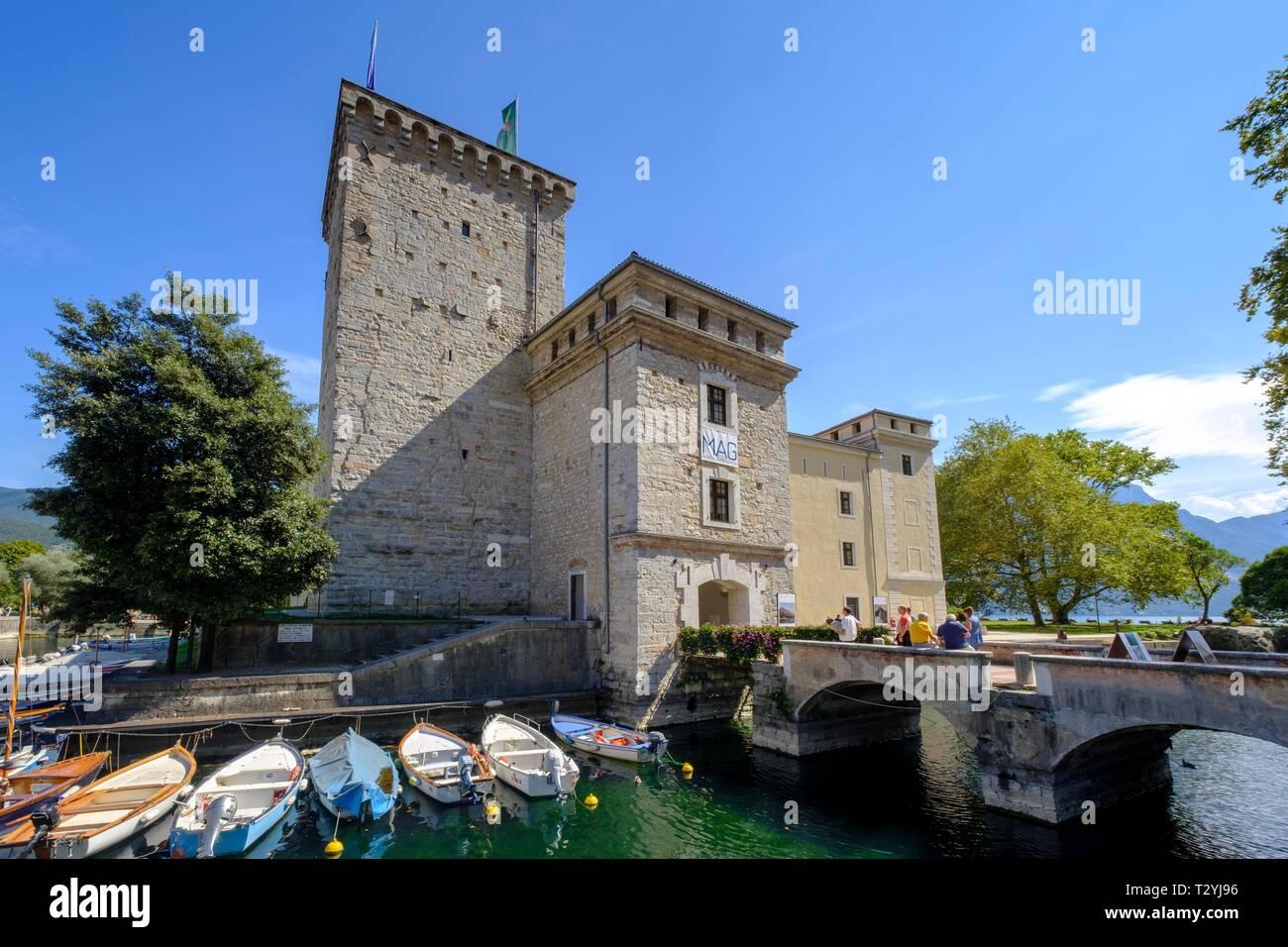
Hidden inside a medieval castle, MAG Museo Alto Garda holds cartographic treasures that reveal centuries of territorial battles and cultural shifts. Uncover the untold stories of Riva del Garda through rare maps that transform how you see this seemingly quiet corner of Italy.
Need-to-Know Info Before Visiting MAG Museo Alto Garda
5+
images
MAG Museo Alto Garda Address
Piazza C. Battisti, 3, 38066 Riva del Garda TN, Italy
MAG Museo Alto Garda Opening Hours
- 🕒 Tuesday-Sunday: 10:00 AM - 6:00 PM
- 🕒 Closed on Mondays
- 🕒 Extended summer hours (June-September)
How to get to MAG Museo Alto Garda
- 🚗 By car: Park in nearby public parking near Riva del Garda city center
- 🚌 Public transport: Bus lines connecting to Riva del Garda city center
- 🚕 Walking distance from central Riva del Garda locations
What is MAG Museo Alto Garda known for?
- Houses archaeological collections documenting Garda region's historical transformations
- Features rare antique maps from 1579 and 1667 showing territorial changes
- Displays 1774 Atlas Tyrolensis revealing complex historical boundary shifts
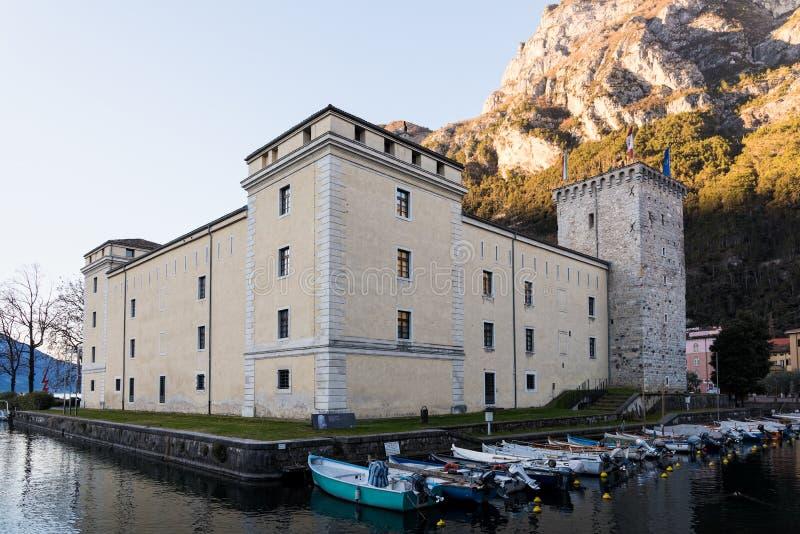
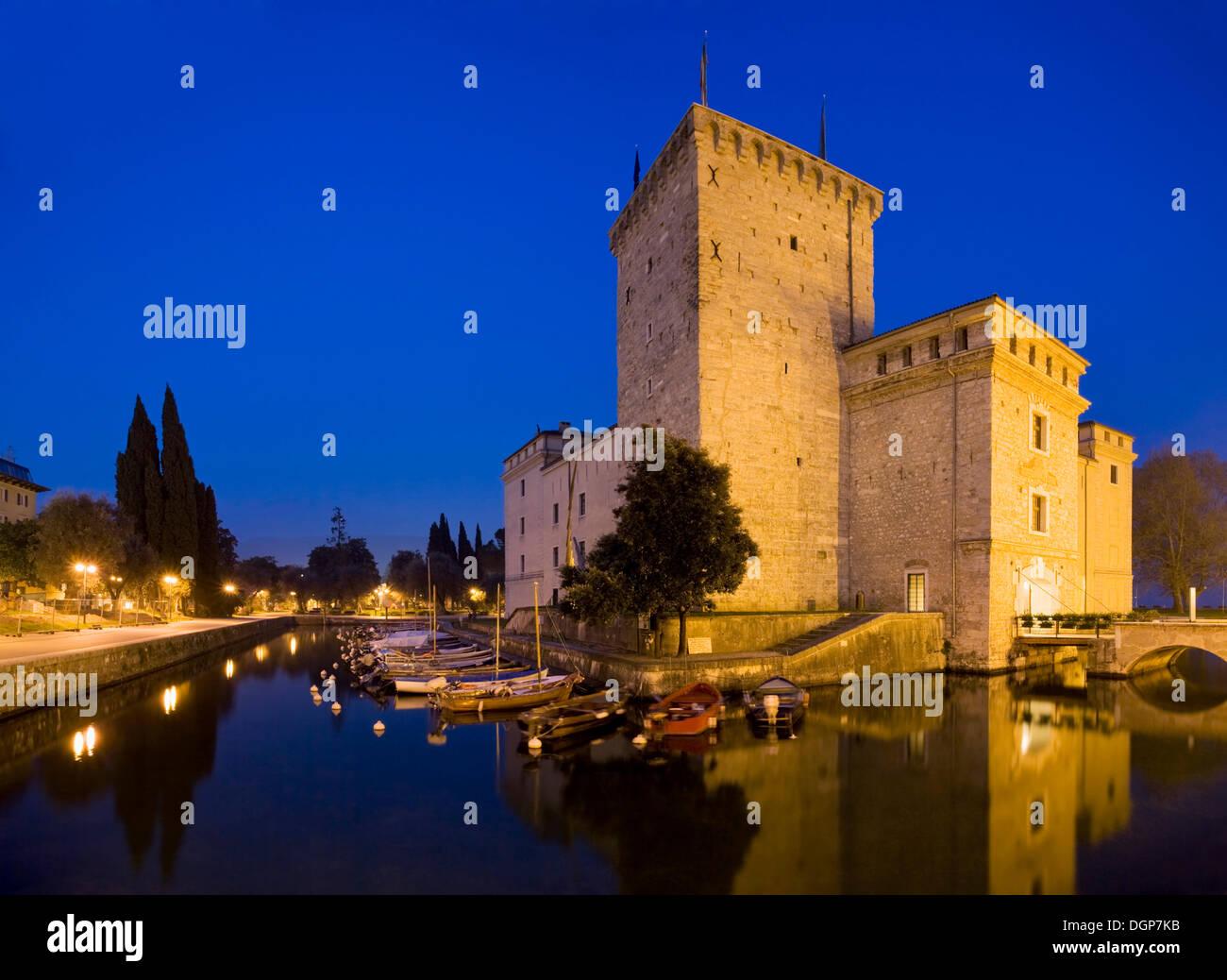
- Located in a compact medieval castle with strategic historical significance
- Exhibits Roman-era frescoes and local historical documents
What is MAG Museo Alto Garda in Riva del Garda?
Tucked inside a compact medieval castle in the heart of Riva del Garda, MAG Museo Alto Garda stands as a gateway to the region's complex historical landscape. This civic museum attracts history buffs and curious travelers seeking to understand the intricate past of northern Italy's Lake Garda area. Visitors can explore a carefully curated collection of archaeological artifacts, Roman-era frescoes, and historical documents that tell the story of a region constantly reshaped by political and territorial changes. The museum's standout feature is its collection of rare cartographic treasures - antique maps from 1579 and 1667, and the 1774 Atlas Tyrolensis - which provide a fascinating visual narrative of territorial shifts. Unlike typical museums that simply display objects, MAG creates an immersive experience where each artifact tells a story of cultural transformation, making it a key stop for travelers wanting to dig deeper into the area's rich historical context. During peak tourist season, the museum draws significant international attention, with visitors from across Europe and beyond coming to unravel the complex historical tapestry of this strategic Alpine borderland.
Top things to do at MAG Museo Alto Garda
- Explore the rare cartographic collection, including antique maps from 1579 and 1667 that showcase the region's complex territorial history
- Examine the detailed Roman-era frescoes that capture the artistic and cultural landscape of ancient Riva del Garda
- Study the 1774 Atlas Tyrolensis, a remarkable historical document revealing the geographical transformations of the Alto Garda region
- Walk through the medieval castle's rooms to understand the architectural evolution of local defensive structures
- Discover archaeological artifacts that trace the human settlement patterns of Lake Garda from prehistoric to medieval periods
- Check out the temporary exhibitions that rotate throughout the year, offering fresh perspectives on local history and culture
- Participate in guided tours that provide in-depth explanations of the museum's most significant historical documents and artifacts
Tickets and Pricing
The MAG Museo Alto Garda offers affordable entry for individuals and groups. Standard adult tickets cost around €8, with reduced rates for students, seniors, and children. Online booking is recommended during peak tourist season to guarantee entry. Visitors can purchase tickets directly at the museum entrance or through the official museum website. Free entry is typically offered to local residents and children under 6 years old.
Best Time to Visit
Peak visiting season runs from May to September when Riva del Garda experiences mild temperatures and maximum tourist activity. Spring and early autumn offer fewer crowds and more comfortable exploration conditions. Weekday mornings tend to be less crowded, allowing for more intimate museum experiences. Winter months see reduced hours, so check the museum's seasonal schedule in advance.
History of MAG Museo Alto Garda
- Late Medieval Period: Original castle structure established as defensive fortification
- 16th Century: Castle becomes significant administrative center for local governance
- 1775: First documented attempts to preserve local historical artifacts
- Early 20th Century: Initial transformation of castle into a civic museum space
- 1990s: Major renovation project to modernize museum facilities
- 2003: Official establishment of MAG Museo Alto Garda as comprehensive regional museum
- 2010: Significant expansion of archaeological and historical collections
Tips for Visitors
- Photography is permitted in most exhibition areas without flash
- Allow at least 2-3 hours for comprehensive museum exploration
- Wear comfortable walking shoes for navigating castle stairs and exhibits
- Audio guides available in multiple languages for additional context
- Small café inside museum offers local refreshments
- Wheelchair accessible with assistance in most areas
- Free Wi-Fi available throughout museum premises
What are some interesting facts about MAG Museo Alto Garda?
- The museum's medieval castle has secret underground passages that were used for military communication during territorial conflicts in the region
- Some of the antique maps in the collection are so rare that cartography experts from around the world visit specifically to study them
- Local historians believe the castle's stone foundations date back to Roman settlement periods, making the building itself an archaeological artifact beyond its museum contents