
Inviolata Church: A Hidden Baroque Gem in Riva del Garda
June 23, 2025

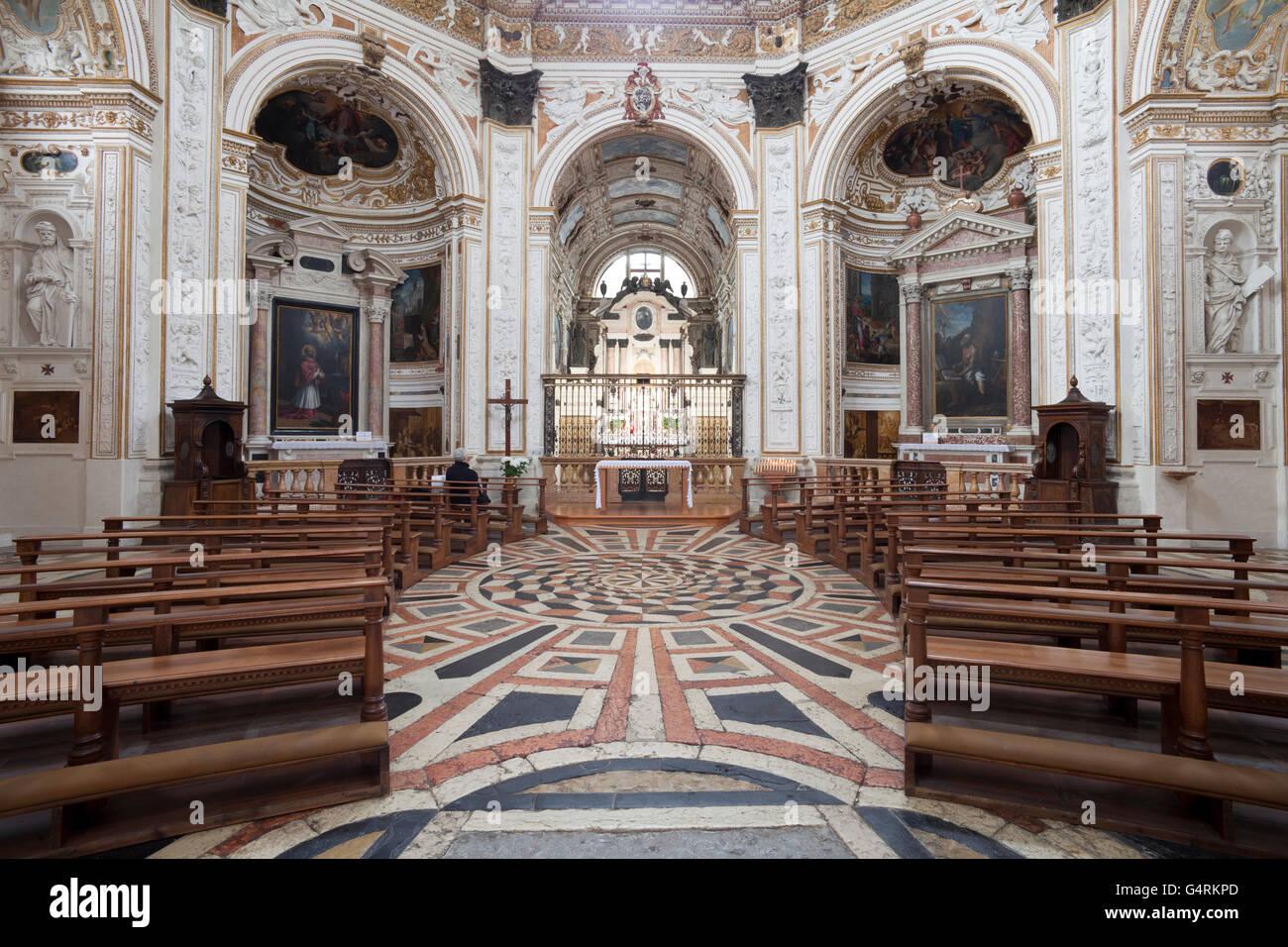
We spent about 45 minutes exploring the intricate details of Inviolata Church, fascinated by its unique octagonal interior and beautifully carved wooden confessionals. Located just a short walk from Riva del Garda's historic center, the church offers a quiet, contemplative experience that provides a deep glimpse into local religious architecture and history.
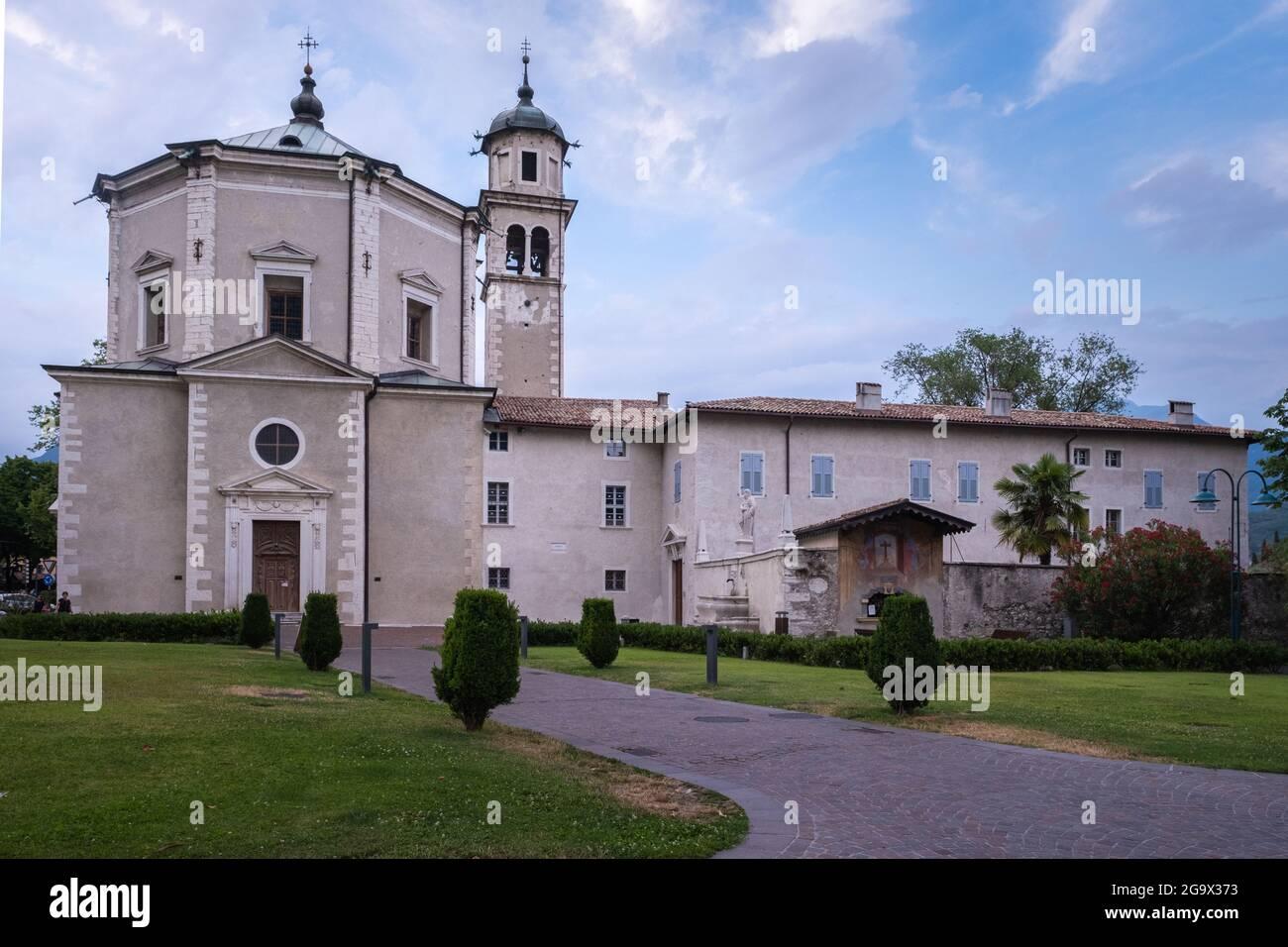
Hidden in Riva del Garda, the Inviolata Church defies architectural expectations with its square exterior and mysterious octagonal interior. Discover the secret Baroque shrine that transformed a simple church into a 17th-century pilgrimage destination.
Need-to-Know Info Before Visiting Inviolata Church
2+
images
Inviolata Church Address
Via S. Maria, 9, 38066 Riva del Garda TN, Italy
Inviolata Church Opening Hours
- 🕒 Monday-Saturday: 8:00 AM - 12:00 PM
- 🕒 Sunday: 9:00 AM - 1:00 PM
- 🕒 Closed on Major Holidays
How to get to Inviolata Church
- 🚗 By car: Parking available near church entrance
- 🚌 Public transport: Bus lines 95A and 98 stop nearby
- 🚕 Rideshare: Taxi and Uber services accessible in Riva del Garda
What is Inviolata Church known for?
- Historic Baroque church built in 1603 by Gaudenzio Madruzzo and Alfonsina Gonzaga
- Unique architectural design with square exterior and octagonal interior
- Features five altars, intricate wood-carved confessionals, and marble pavements
- Contains significant historical religious artifacts and frescoed vaults
- Important pilgrimage site with miraculous shrine heritage
What is Inviolata Church in Riva del Garda?
Tucked away in the historic center of Riva del Garda, the Inviolata Church stands as a testament to early 17th-century religious architecture and local heritage. Tourists and history buffs flock to this landmark to explore its unique architectural design, which defies typical church layouts with its square exterior and unexpected octagonal interior. Photography enthusiasts appreciate the church's intricate details, particularly the elaborate wood-carved confessionals and marble pavements that showcase exceptional craftsmanship of the Baroque period. Unlike many tourist-packed religious sites, Inviolata Church offers a more intimate experience, allowing visitors to appreciate the subtle architectural nuances and historical significance without overwhelming crowds. The church attracts a steady stream of travelers interested in religious history, architectural design, and local cultural heritage, making it a quiet but compelling stop for those exploring Riva del Garda's rich historical landscape. Its carefully preserved interior, featuring five distinct altars and stunning vault frescoes, provides a window into the artistic and spiritual world of early 17th-century Italy.
Top things to do at Inviolata Church
- Explore the intricate wood-carved confessionals, showcasing exceptional 17th-century craftsmanship
- Admire the stunning vault frescoes and stuccoes that adorn the church's octagonal interior
- Visit the five distinct altars, each representing a unique aspect of religious art and local history
- Photograph the architectural contrast between the square exterior and octagonal interior
- Learn about the church's historical significance as a pilgrimage site commissioned by Gaudenzio Madruzzo
- Examine the marble pavements and architectural details that highlight Baroque design principles
- Attend a quiet moment of reflection in this historically significant religious space
- Observe the architectural elements that make this church unique among local religious buildings
Tickets and Entrance
Entry to Inviolata Church is free for visitors. While no formal ticket is required, donations are appreciated to support church maintenance. Small groups and individual travelers can enter during designated open hours. Photography is permitted, but visitors are asked to be respectful and minimize flash photography to preserve historical interiors.
Dress Code
As a religious site, visitors should dress modestly. Shoulders and knees should be covered. Avoid wearing shorts, tank tops, or revealing clothing. Scarves or light shawls are recommended for those wanting to quickly adjust their attire before entering the church.
History of Inviolata Church
- 1603: Initial construction begins under commission by Gaudenzio Madruzzo
- 1636: Church officially consecrated as a pilgrimage site
- 17th Century: Established as a significant religious landmark in Riva del Garda
- Baroque Period: Designed with unique square exterior and octagonal interior
- Commissioned by Gaudenzio Madruzzo and Alfonsina Gonzaga as a sacred shrine
- Preserved as an important historical and architectural monument in the region
Cultural Significance
Inviolata Church represents an important spiritual and architectural landmark for Riva del Garda. The church symbolizes the religious heritage of the region, showcasing intricate Baroque design and serving as a testament to local historical craftsmanship. Its unique architectural design and historical significance make it a crucial cultural site for understanding the area's religious and artistic traditions.
Tips for Visitors
- Visit during morning hours for softer lighting and fewer crowds
- Bring a light jacket or shawl for modest dress requirements
- Allocate approximately 30-45 minutes for a comprehensive visit
- Wear comfortable walking shoes for exploring church interior
- Carry small change for optional donation
- Check local event calendars for potential special religious services
- Consider guided tours for deeper historical insights
What are some interesting facts about Inviolata Church?
- Local legends suggest the church's miraculous shrine was believed to have healing powers, attracting pilgrims from across the region in the 17th century
- The intricate wood-carved confessionals inside the church were crafted by local artisans and represent some of the most complex woodwork of the early Baroque period in northern Italy
- Despite its seemingly simple exterior, the church's octagonal interior was a revolutionary architectural design for its time, challenging traditional church building techniques of the early 1600s